250 gr.
250 gr.
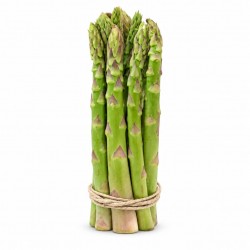
Asparagus
(Asparagus officinalis)
Asparagus originates from the Mediterranean, from the Tigris and Euphrates river basins and was consumed by the ancient Egyptians and Greeks. Asparagus was introduced into Spain by the Romans during the period of occupation. Asparagus is a permanent vegetable. Its medicinal properties were already known at that time. From the 18th century onwards, asparagus became the vegetable of choice for the bourgeoisie. Until the 19th century, only green asparagus was consumed, and since then both varieties have existed.
It is the only common vegetable that grows along roadsides and railroad tracks in many parts of the country. Years ago these asparagus were sought after to make extraordinary omelets and scrambled eggs. Asparagus belongs to the Liliaceae family and grows from a shrub called asparagus.|
Properties / Health
Asparagus |
Varieties / Season
Asparagus |
Preparation of Asparagus
|
|
Asparagus is 90% water, low in calories and fiber (intestinal transit). Therefore it is recommended for slimming diets.
Long ago it was cultivated for medicinal purposes as a natural remedy to cleanse the blood and with diuretic properties, for its large amount of potassium. It is ideal for fluid retention. It is good for the nervous system and strengthens the mind (B vitamins). During the Renaissance, asparagus was promoted as an aphrodisiac and banned from the tables of most convents. |
Asparagus is a spring vegetable. When buying asparagus choose those with compact tips and stalks that have a uniform green color along the entire length. Check the part of the stalk where the asparagus has been cut to determine if it is dry and do not buy wilted asparagus. Both pencil-thick and thicker stalks are delicious. Contrary to popular belief, thin, thin stalks are not an indication that the asparagus is soft. Thick stalks are already thick when they poke their heads above the soil surface and thin stalks do not become thick as they mature. Soft is related to maturity and freshness. |
Cook asparagus as early as possible to ensure best flavor. Asparagus (shanks) begin to lose their flavor and tenderness immediately after they are harvested. Peeled asparagus can be put in water - with which they are to be cooked - and this water can be refrigerated and reused. The water with which the asparagus has been cooked takes on a delicious flavor and is excellent for the nutrients it contains, you can use it to make soup or to cook vegetables. Peeling asparagus can be a lot of work, so many cooks prefer to break off the hard part of the base. To use this method, with one hand grasp the top of the asparagus spear (halfway through) and with the thumb and forefinger of the other hand grasp the bottom of the spear. Bend each asparagus spear until it breaks in two parts. Asparagus spears break easily from the softer (soft) part that is attached to the hard part. Although this method causes a lot of waste, the parts that are cut off can be used for soups or vegetable soups, if desired. |
|
Nutritional Information
of Asparagus |
Asparagus Cultivation
|
Asparagus Recipes
|
|
Nutritional Information |
Details about growing Asparagus in gardens Asparagus Recipes
|
Asparagus can be eaten raw, steamed, boiled, grilled, roasted or incorporated into meals made in casseroles or salads. Tall, thin pots are ideal for cooking asparagus, where the heads are steamed. The key to cooking asparagus is to cook it briefly The flavor of asparagus combines very well with many ingredients, but it is also delicious with just olive oil, lemon juice, salt and pepper. When using asparagus for salads, always wait until serving time to add the dressing, because the high acidity of most dressings turns the asparagus yellow. Add fresh chives, basil, thyme, and tarragon to enhance the flavor of the cooked asparagus. |