1.7 kg - 2.3 kg.
1.7 kg - 2.3 kg.
Cabbage
(Brassica Oleracea L.)
Cabbage
Cabbage is native to Europe. There is evidence that the Celts, Greeks and Romans already consumed it and the latter used it for intestinal and pulmonary problems and to increase milk in nursing mothers. There is also evidence that the discoverers took it to America to plant their vegetables and legumes. What is not known is if it already existed, because in American lands there was a genus called quelites, which included a lot of wild vegetables that the Indians consumed.
Brussels sprouts are native to northern Europe, specifically northern France and Belgium, hence its name for Brussels, the capital of Belgium. They need a cold and humid climate to be cultivated. The countries that consume them the most are: France, Belgium, Holland, Germany and the United Kingdom.
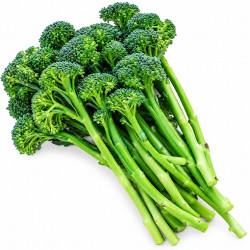
Cabbage belongs to the Cruciferae family and is grown in fields. There are many species of this genus, but from the same family we have Brussels sprouts, broccoli, cabbage and cauliflower. They need temperate climates. All of them contain sulfur, which is a powerful antioxidant.
|
Health / Properties of Cabbages
|
Cabbage Season and Varieties
|
Cabbage Recipes
|
|
Cabbage contains 92% water, fiber, few calories, Carbohydrates
Recommended for:
|
There are more than 380 genera and 3,000 species, but there are 3 varieties of cabbage that are commercialized:
To the family of the cruciferous, also belong the following group and say, that all have the same active components, but some differences Active components, but with some differences from one to the other:
|
In spite of all its properties, it is not a very consumed vegetable in Spain at present, although it is in the rest of Europe. Perhaps the most used in Spain are cabbage and cauliflower. In France, Germany, France, Belgium and Holland the most used are the Brussels sprouts, with which they elaborate exquisite dishes. The strong smell they give off is due to their sulfur content. All of them can be frozen, once cooked or boiled. Suggested recipes with cabbage:
|