
Kilo
Kilo
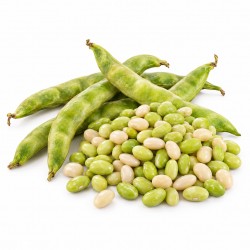
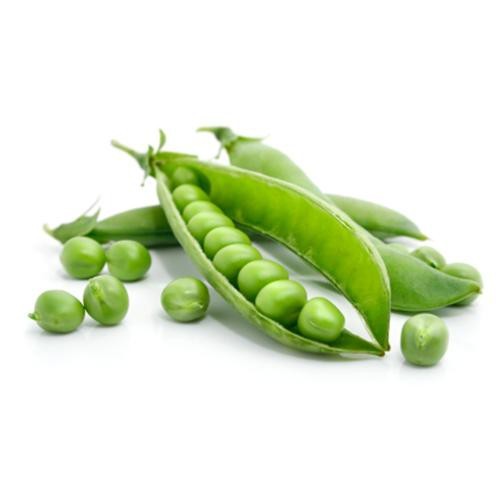
Peas
(Pisum sativum L.)
 Its origins date back to prehistoric times. There is evidence of it, thanks to the fossils of the year 7000 a.J.C found in some deposits in India, from the Neolithic period. There is also evidence that it has been consumed in India since ancient times, as well as in China, since it came from India. It probably arrived in Europe from Egypt and Palestine and until the 16th century it was used dried to feed animals. From that moment, men began to consume it and to cultivate it, to eat it fresh.
The Pea is a tuber that belongs to the Leguminosae family and to the sub-family of the Papilionoideas. It needs a temperate climate, somewhat humid, with a siliceous-loamy soil, for its correct cultivation.
The main producers of Peas are: India, China, USA, France and UK. However, almost all of the harvest is destined for the manufacture of animal feed.
|
Peas
Properties / Health |
Pea Varieties / Pea Seasons
|
Pea Recipes
|
|
Peas provide a lot of fiber, minerals, sugars, 78% water, proteins, carbohydrates, calories.
|
Peas are classified according to their characteristics:
The most consumed varieties are: Negret, Telephone, Tirabeque, Bayard, Cappuccino, Vertirroy, Lincoln, Telecion, Islam, Voluntaio. |
The best way to consume them is steamed or boiled, but very little cooked, so they do not lose their vitamins or half of their properties.
|